
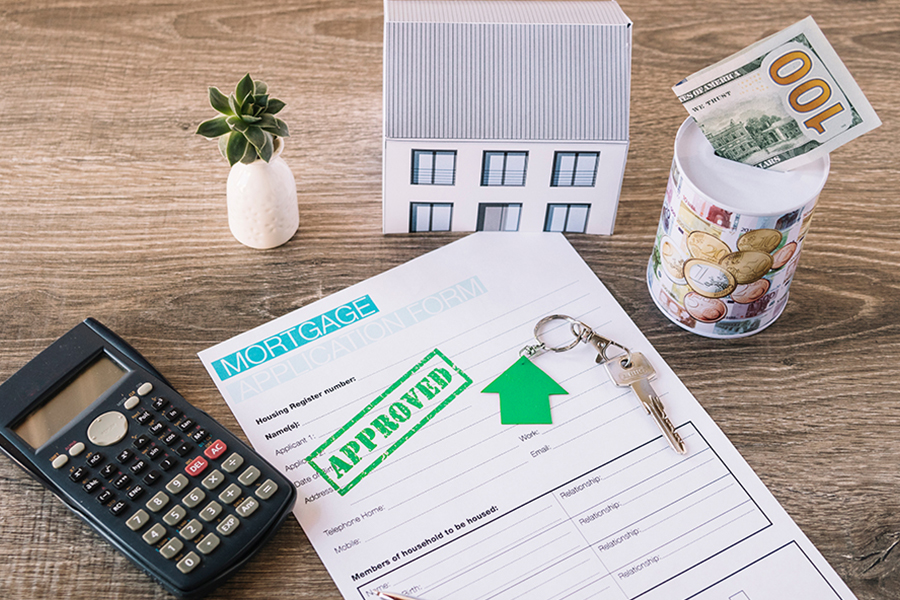
Keeping your home safe during tough financial times can feel stressful, but you still have choices. Many homeowners think foreclosure happens fast, yet most lenders give time and options before taking any action. The key is to act early, stay open with your lender, and use every support available. This guide explains clear steps you can take to lower the risk of foreclosure and protect your home.
What Is Mortgage Foreclosure?
Mortgage foreclosure is a legal process that begins when a homeowner falls behind on payments for a long period. The lender steps in to recover the money owed by taking control of the house and selling it. This affects your credit score, future loan chances, and long-term housing plans.
The good news is that foreclosure does not start right after one missed payment. You usually have several months to fix the issue, talk with your lender, or adjust your repayment plan.
Common Reasons Homeowners Fall Behind
People can struggle with mortgage payments for many reasons, such as:
- Sudden job loss
- Reduced income
- Medical costs
- Debt pressure
- Divorce or family issues
- Poor budgeting or rising living costs
Understanding your reason helps you pick the right solution. Your lender will also ask, so it helps to stay clear and honest.
Steps You Can Take Early
Acting early gives you the best chance to stop foreclosure. Here’s what you can do as soon as you feel pressure:
- Check Your Mortgage Papers
Go back to your loan agreement. Find:
- Your monthly due date
- Late fee rules
- Grace period
- Steps the lender may take if you fall behind
This gives you a clear idea of where you stand and how much time you have.
- Track Your Monthly Budget
Write down your income and every expense. Cut costs that are not urgent. Even small cuts help you stay closer to your payment schedule.
- Contact Your Lender Early
Many homeowners avoid calling their lender because they fear bad news. But lenders prefer helping you catch up instead of starting foreclosure, which is time-consuming for them.
You can ask your lender for:
- More time to pay
- A temporary reduction in monthly payments
- A new repayment plan
- A short pause on payments (also called forbearance)
Calling early shows responsibility and may help you qualify for softer solutions.
Programs That Can Help You
Several support options can reduce your pressure during tough times. Some of these may depend on your loan type and your lender’s policy.
Loan Modification
Your lender may adjust your loan to make future payments easier. This may include:
- Lower interest rate
- A longer repayment period
- Adding missed payments to the end of loan
This lowers your monthly burden while letting you stay in your home.
Refinancing
Refinancing means taking a new mortgage with new terms to replace the current one. Homeowners use it when interest rates drop or when they want lower monthly payments. You must still qualify, so act before your credit score drops due to missed payments.
Forbearance
This option lets you pause or cut your payments for a short period. It helps when you face temporary challenges like job loss or illness. You still owe the paused amounts later, but your lender helps you find a clear repayment path.
Repayment Plan
If you miss only a few payments, your lender may let you pay them back slowly along with your regular payments. It keeps you on track without the pressure of paying a large sum at once.
If You Are Already Behind: What to Do Next
When you’ve already missed payments, you still have strong steps available. Act fast with the following:
- Respond to Letters and Calls
Avoid ignoring letters from your lender. These notices contain important details about deadlines, options, and what steps may follow.
- Talk to a Housing Counselor
A government-approved housing counselor can guide you at no cost. This support can help you understand your options and prepare documents for lender communication.
Housing counselors help with:
- Budget checks
- Paper preparation
- Speaking with lenders
- Setting up repayment plans
- Keep Records
Keep copies of:
- Emails
- Letters
- Payment receipts
- Notes from calls with your lender
This helps clear confusion and protects you if any dispute arises.
Ways to Boost Your Income in the Short Term
Raising your income, even for a few months, can help you stay on track. Here are small but helpful ideas:
- Take a part-time job or short freelance tasks
- Sell unused items
- Rent out a spare room
- Cut down on non-essential spending
- Pause subscriptions
- Ask family for temporary help if possible
Small increases can help you maintain payments and avoid late fees.
When Keeping the Home Is No Longer Possible
If staying in the home is too hard, even after trying everything, you still have options that prevent foreclosure.
Short Sale
You sell the home for less than the amount owed, with your lender’s approval. This prevents foreclosure and lowers damage to your credit.
Deed in Lieu
You hand the house back to the lender willingly. This stops the foreclosure process and may help you avoid extra legal costs.
Sell the Home Before Foreclosure
If your home has good value, you can sell it, pay off the mortgage, and keep any money left over.
Final Thoughts
Preventing mortgage foreclosure is possible when you act early, stay open with your lender, and use all available support. Your home is important, and taking small, steady steps can help you keep it safe. Whether you adjust your payments, join a support program, cut expenses, or seek counseling, each move brings you closer to staying in control of your home and future.